Teaching Kids to Fish
Why we take the kids fishing even when it would be easier to go alone — and what they learn out there.
Teaching Kids to Fish
My husband could fish faster and more efficiently without the kids. He knows that. He takes them anyway.
That says everything about the kind of father he is.
Why It Matters
There's a version of fishing that's about catching fish. And then there's the version we do — which is about being outside together, learning to be patient, and understanding that food doesn't come from a grocery store.
Our kids know that fish come from rivers and lakes. They know how to bait a hook, how to cast, how to handle a fish carefully. The older ones can clean a fish. The younger ones are working up to it.
These are skills. Real ones. And they're getting harder to find in kids who grow up without them.
Starting Young
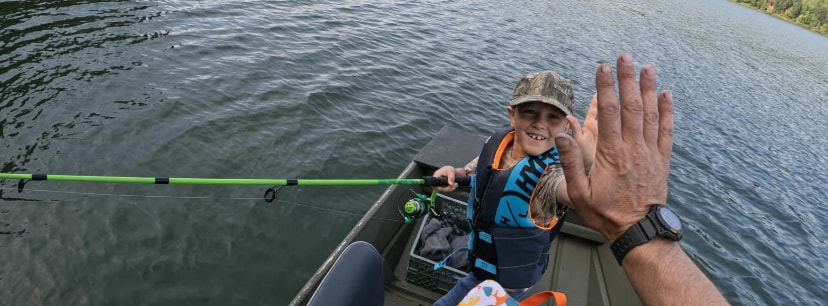
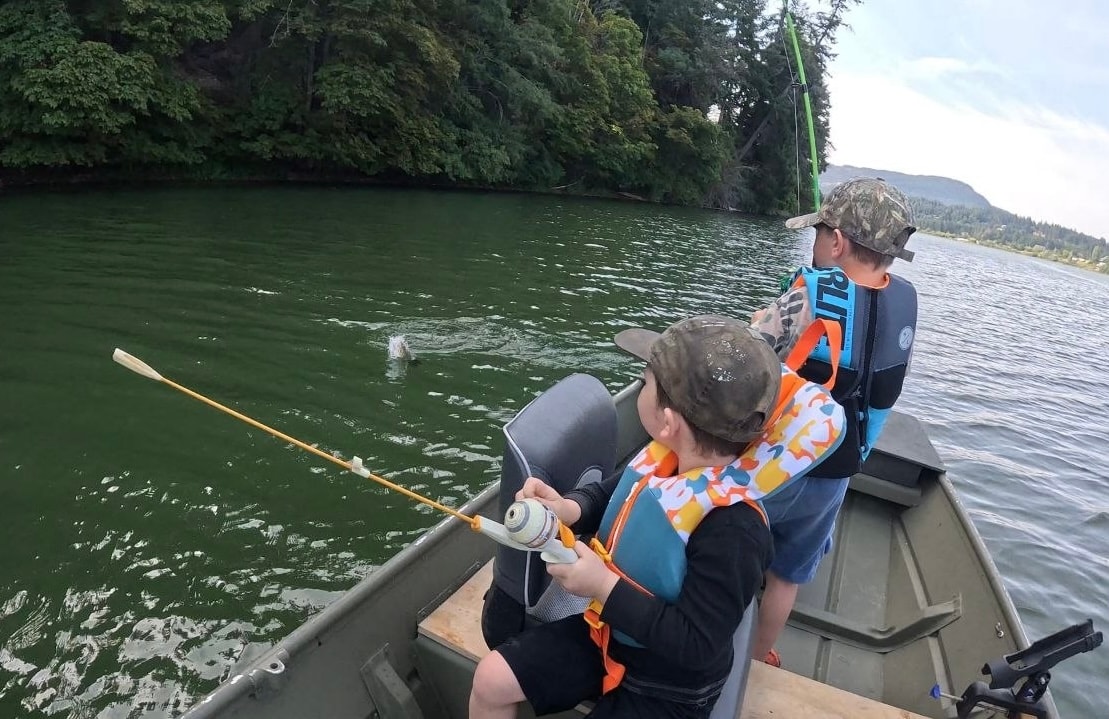
We started the little ones with simple poles — no reel, just a line. Less to manage, less to tangle, more time actually fishing.
The first few trips are mostly about keeping them from falling in the water and making sure they don't hook each other. That's fine. They're learning what the water sounds like, what it feels like to wait, what it means to pay attention.
What They Learn Out There
Patience.You can't rush a fish. You sit and you wait and you watch the line. For kids who are used to instant everything, this is genuinely hard. And genuinely good for them.
Responsibility.If you're holding the rod, you're responsible for what happens. That's a real feeling for a kid.
Where food comes from.When a child catches a fish, cleans it, and eats it for dinner, something shifts. They understand the connection between effort and food in a way that's hard to teach any other way.
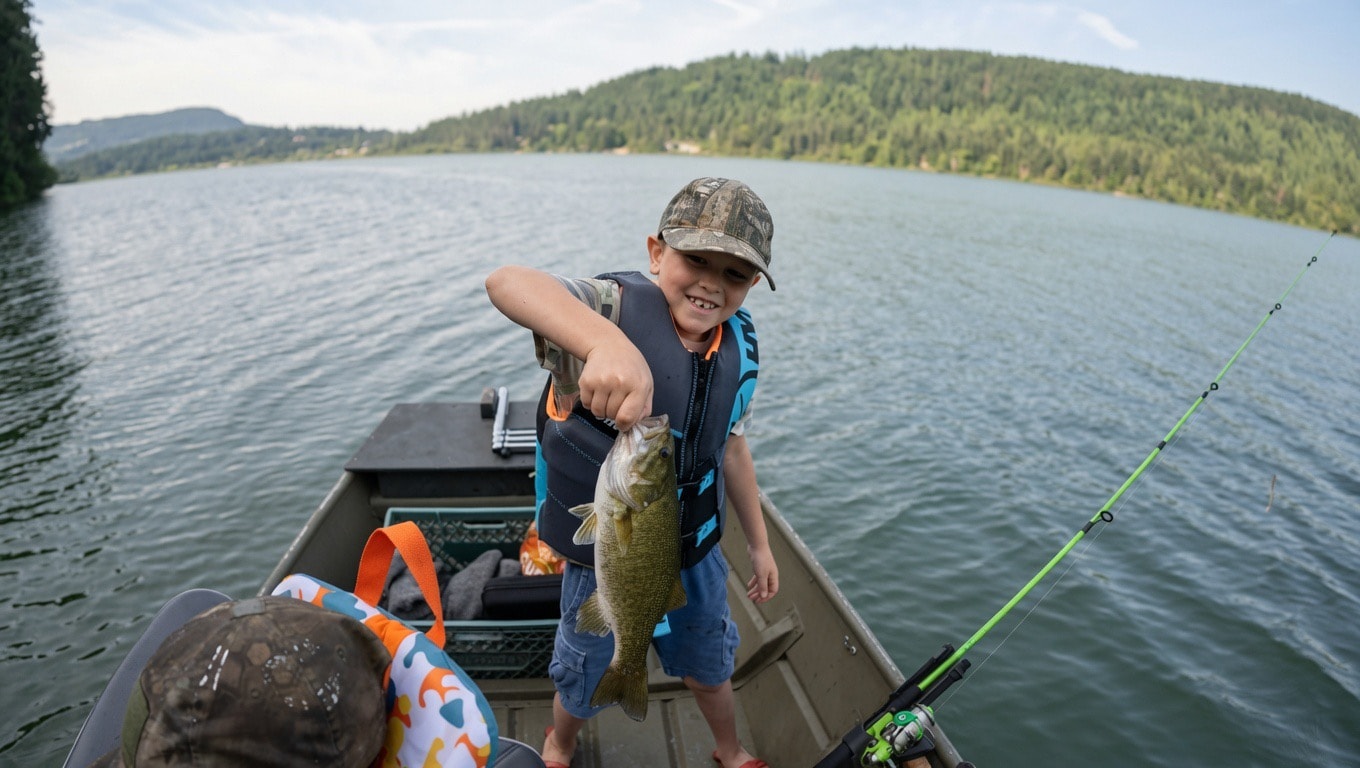
How to be still.This one might be the most valuable. The ability to sit quietly in a beautiful place and just be there — that's a skill that will serve them their whole lives.
The Practical Side
We keep it simple. Worms work. A basic rod and reel works. You don't need expensive gear to have a good day on the water.
We bring snacks, because hungry kids are not patient kids. We bring dry clothes, because someone always gets wet. We don't make it a big production — we just go.
What Comes Home
Sometimes we come home with fish. Sometimes we don't. Either way, we come home with kids who spent a few hours outside, away from screens, doing something real.
That's worth the tangled lines and the lost hooks and the one who cried because the worm was slimy.
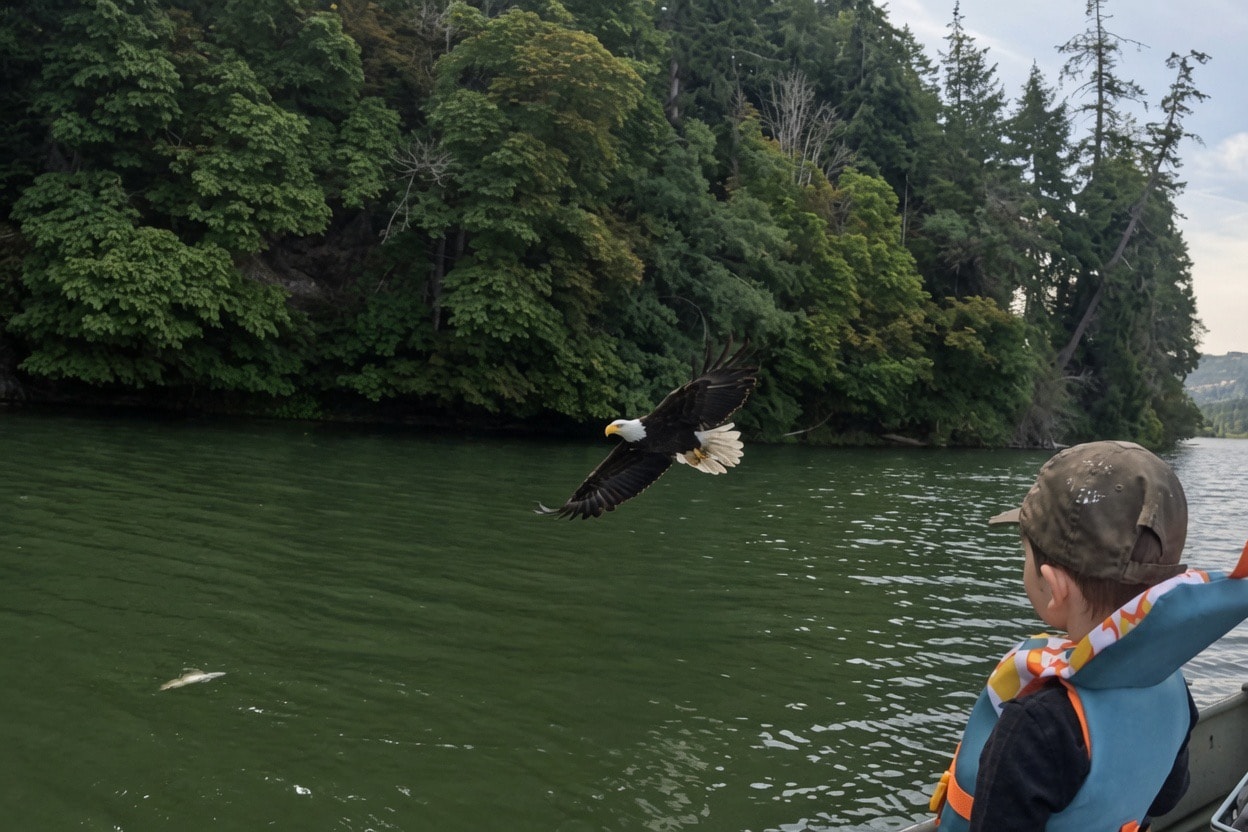
Every single time.
Topics
Written by
Food Flowers Family