Best Slow-Cooked Venison Roast in a Dutch Oven
Venison is very lean, so the key is low and slow with enough liquid to keep it moist. A Dutch oven is ideal because it holds heat evenly and seals in moisture — the result is fork-tender, deeply flavourful meat every time.
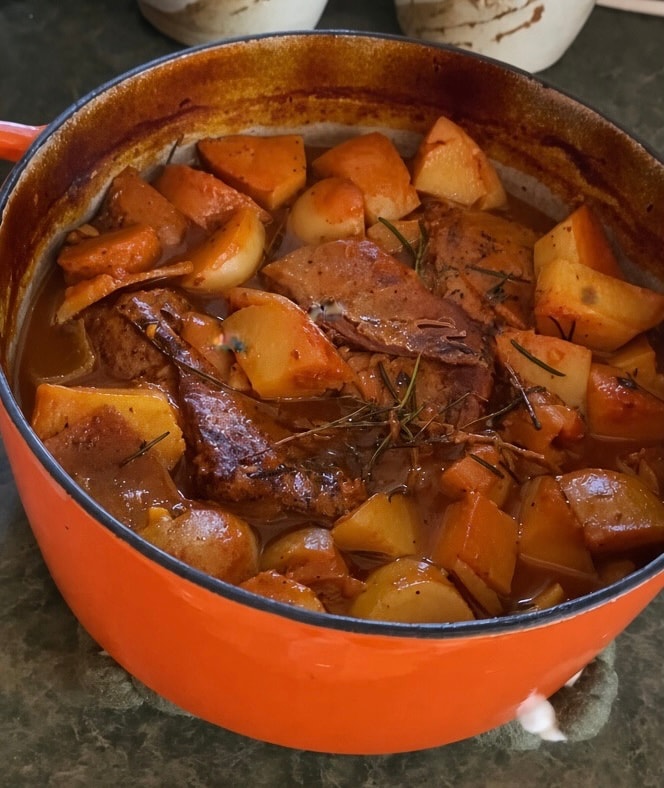
Venison is one of those ingredients that rewards patience. It's incredibly lean, which means it can dry out fast if you rush it — but give it time, the right liquid, and a tight-fitting lid, and it transforms into something genuinely special. This is the method I come back to every hunting season.
A Dutch oven is the ideal vessel here. It holds heat evenly, traps steam, and creates the kind of low, moist environment that breaks down connective tissue without drying out the meat. The result is a roast that pulls apart with a fork and a rich, savoury braising liquid that's halfway to gravy already.
Ingredients
- 3–4 lb venison roast shoulder, rump, or neck
- 2–3 Tbsp oil avocado or olive
- Salt and black pepper
- 1 large onion, sliced
- 4–5 garlic cloves, smashed
- 2 cups beef broth
- 1 can light beer 355 ml
- 3–4 Tbsp tomato paste
- 2 Tbsp Worcestershire sauce
- 1 Tbsp balsamic vinegar or apple cider vinegar
- 1–2 tsp dried thyme or a few fresh sprigs
- 1–2 sprigs fresh rosemary
- 2 bay leaves
- 2–4 fresh sage leaves
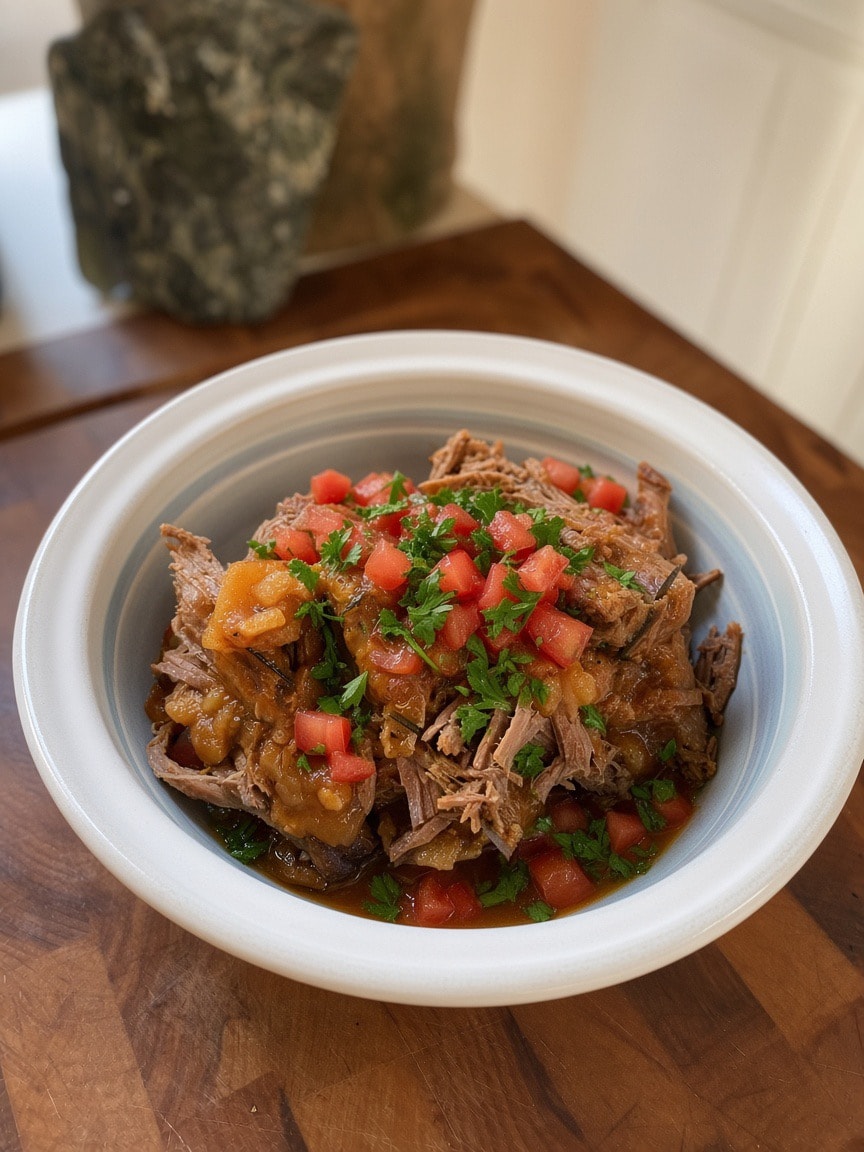
- Fresh parsley and diced tomatoes, to garnish
Instructions
1. Prep the meat
Pat the roast very dry with paper towels — this is important for getting a good sear. Season generously with salt and pepper on all sides.
2. Sear (don't skip this)
Heat the Dutch oven over medium-high heat with the oil. Sear the roast on all sides until deeply browned, about 4–5 minutes per side. This step builds the flavour base for everything that follows. Remove the roast and set aside.
3. Build the flavour base
Lower the heat slightly. Add the onion and cook until softened, about 3–4 minutes. Stir in the garlic and tomato paste and cook for 1 minute. Deglaze with a splash of broth, scraping up all the browned bits from the bottom of the pot.
4. Add liquids and aromatics
Return the roast to the pot. Add the remaining broth, beer, Worcestershire sauce, vinegar, and all the herbs and bay leaves. The liquid should come about ⅓ to ½ of the way up the roast — you want it braising, not boiling.
5. Slow cook in the oven
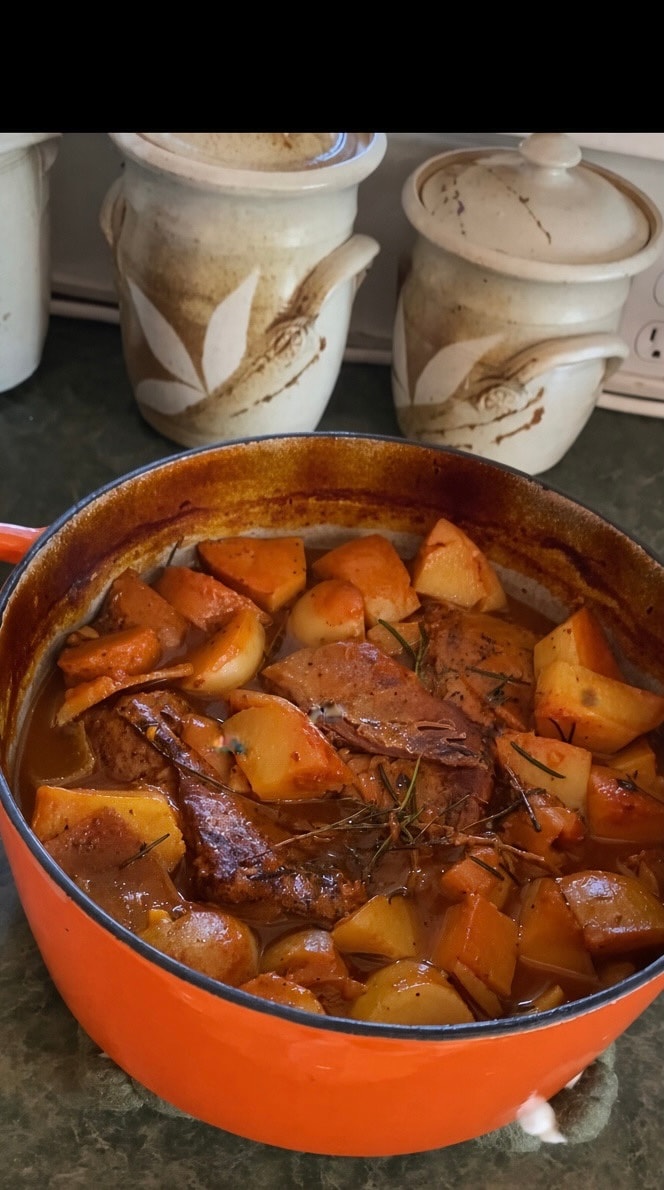
Cover with the lid and place in a preheated 300–325°F (150–160°C) oven. Cook for 3 to 4½ hours depending on the size of the roast, until the meat is fork-tender and reaches an internal temperature of about 195–205°F.
If you're adding vegetables, nestle in large chunks of potato, carrot, or celery during the last 1½ to 2 hours so they don't turn to mush.
6. Rest and finish
Remove the roast, cover loosely with foil, and rest for 15–20 minutes before slicing or pulling. Strain the cooking liquid and reduce it on the stovetop if you'd like a thicker gravy — a cornstarch slurry whisked in works well.
Serve garnished with fresh parsley and diced tomatoes.
Pro tips for the best results
- Don't skip the sear. The browned crust adds deep, complex flavour to the whole braise.
- Keep the temperature low. 300–325°F is the sweet spot. Higher heat dries venison out quickly.
- Always cook with liquid and a tight lid. The steam is what keeps the meat moist.
- If it's still tough, keep going. Venison roast that feels tough after the suggested time just needs more time for the connective tissue to break down. Give it another 30–45 minutes.
- Optional overnight marinade. For extra depth, marinate the roast overnight in olive oil, garlic, fresh herbs, and a splash of vinegar or red wine before cooking.
Notes
- You can add 2–3 carrots and 2–3 celery stalks cut into chunks along with the potatoes. Cut potatoes into large chunks so they hold their shape.
- If you don't have tomato paste on hand, a few spoonfuls of tomato sauce or pasta sauce works fine.
- Shoulder, rump, and neck are all excellent cuts for this method. They have more connective tissue than the backstrap, which is exactly what you want for a long braise.
Serving suggestions
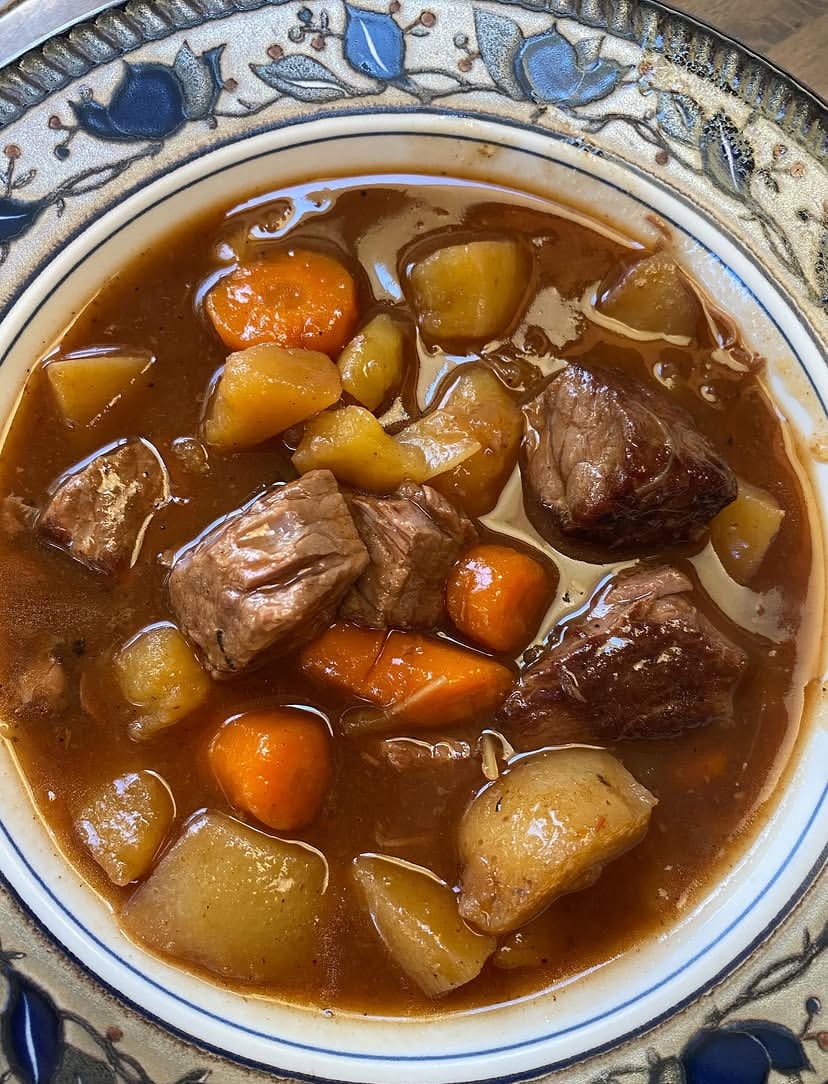
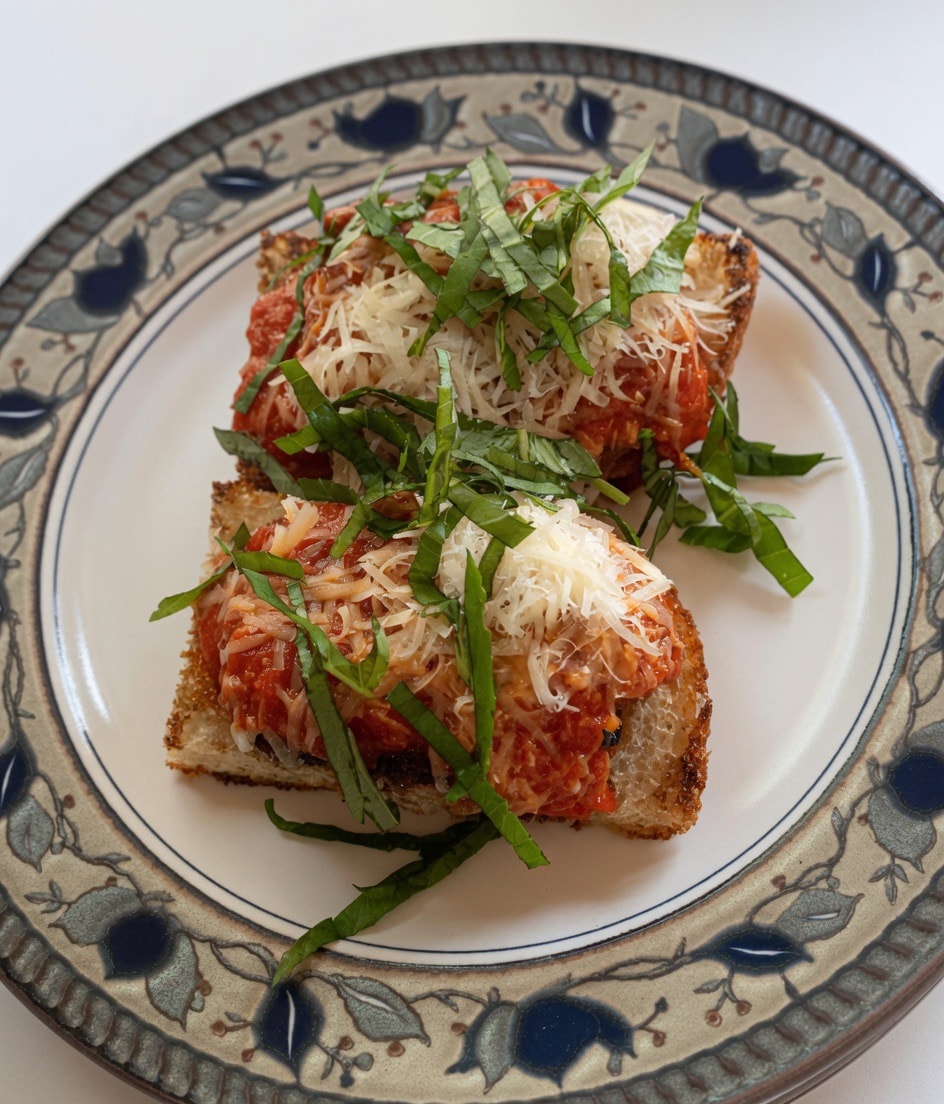
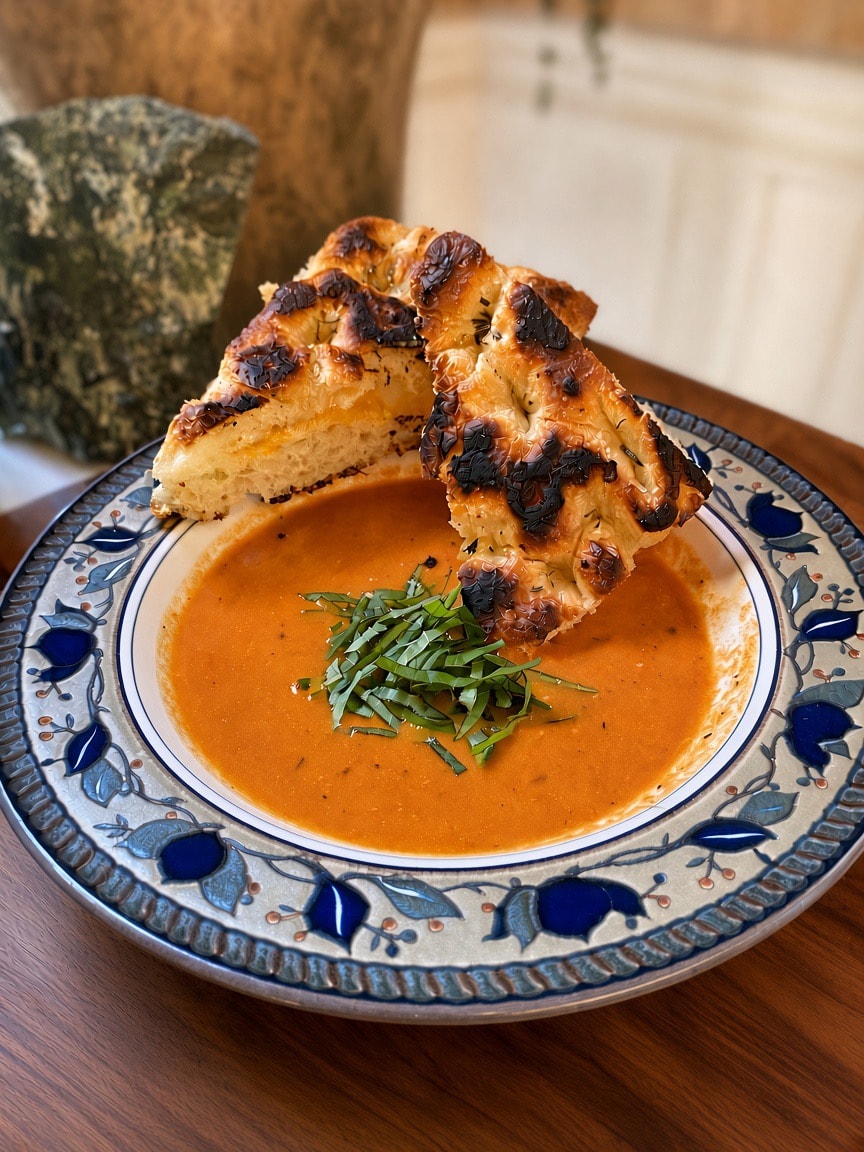
Serve with mashed potatoes, roasted root vegetables, creamy polenta, or crusty bread to soak up the gravy. Leftovers make excellent sandwiches the next day — slice the cold roast thin and pile it onto toasted bread with a little of the reduced braising liquid.
Topics
Written by
Food Flowers Family