Pavlova
Crisp on the outside, marshmallowy in the middle, and endlessly customizable on top — this is the dessert my kids beg for no matter the season, and the one that saved my grade 10 Spanish grade.
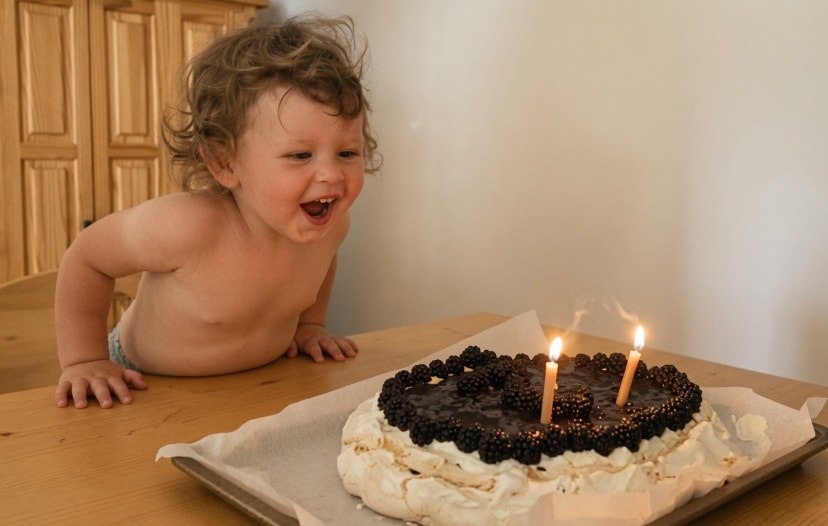
Pavlova
I first learned about pavlova in grade 10. I was in Spanish class and had to do a report on Australia — and that led to me making a few pavlovas to share with the class. It's Australia's signature dessert, after all. Languages were never really my thing, but baking? That I could do. I passed that class thanks to this dessert.
Fast forward to now, and pavlova has become the most requested dessert in our house. My kids beg for it no matter the season, and it's become the go-to birthday cake — each kid gets to choose what goes on top.
Dylan and I lovevanilla custard and lemon curd with fresh raspberries.Lilly's favouriteis whipped cream with mango and kiwi.The boys will eat it any way— even just a berry compote and whipped cream makes them happy.
One time I stirred a touch of rosewater into the whipped cream and it was absolutely stunning. I highly recommend trying it.
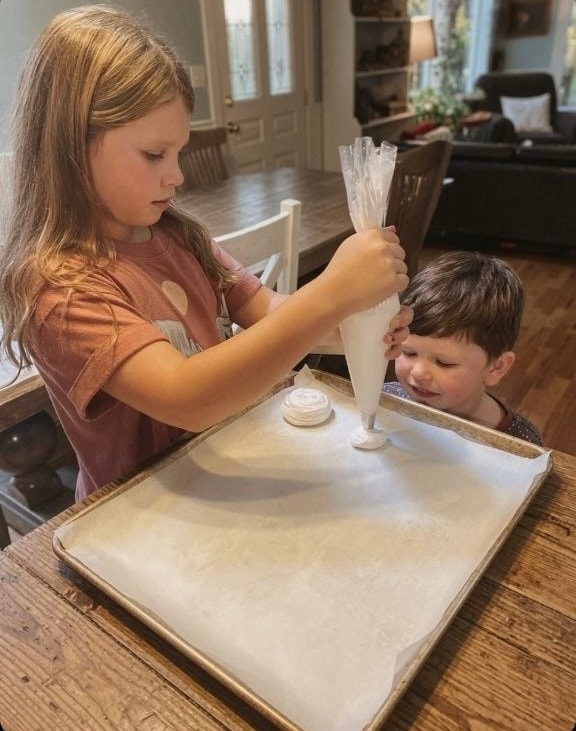
One Recipe, Endless Possibilities
This same base recipe works for:
- One large pavlova — the classic showstopper
- Mini pavlovas — individual nests, perfect for parties
- Meringue cookies — piped or spooned into mounds, great for gifting
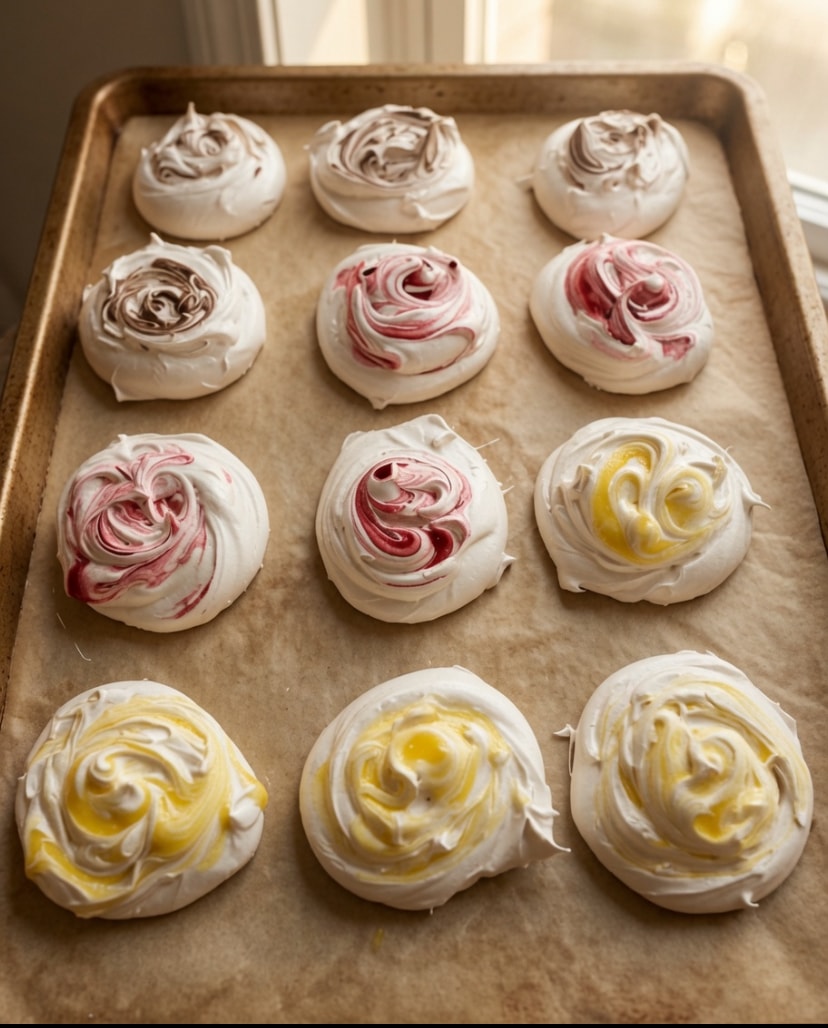
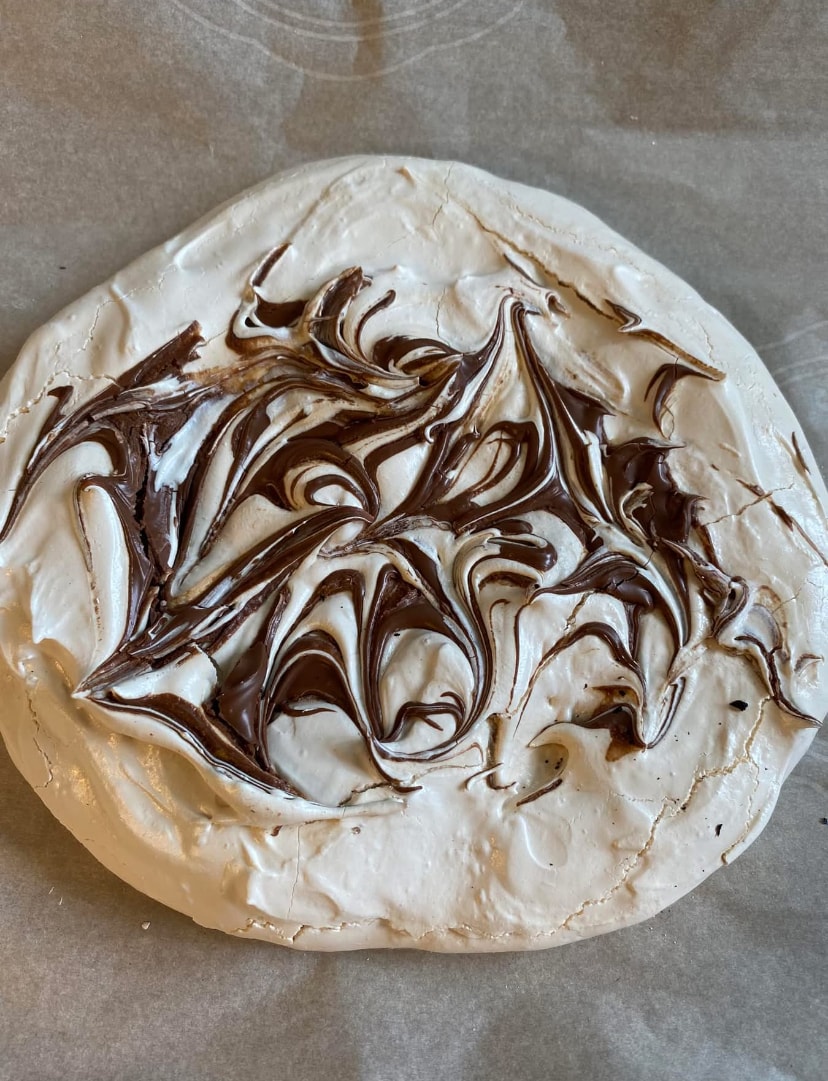
- Swirled meringues — fold 1 tsp of lemon curd, seedless raspberry jam, or Nutella into the top of each cookie before baking; these are a crowd favourite and so much less messy than a full pavlova
A Note on Measuring
Because egg sizes vary so much, it's important to measure your egg whites by weight rather than by count. Getting the right egg white to sugar ratio is what makes the difference between a pavlova that holds together and one that weeps or collapses.
Ingredients
- For the Pavlova / Meringue
- ¾ cup egg whites — about 5–7 eggs, depending on size 6 oz / 170g
- 1½ cups white sugar 298g
- 1 tsp cornstarch
- 1½ tsp vanilla extract
- 1½ tsp white vinegar
- For the Toppings
- 2 cups vanilla custard * * 2 cups whipped cream or
- ½ cup caramel
- ⅔ cup lemon curd
- Fresh fruit — strawberries, mango, blueberries, raspberries, kiwi, and orange segments are all wonderful
- Berry compote
- A splash of rosewater stirred into the whipped cream
Instructions
-
Preheat your oven to 250°F (120°C). Line a baking sheet with parchment paper. For one large pavlova, draw a 10-inch circle on the underside of the parchment as a guide. For minis, just space them out. For meringue cookies, skip the guide.
-
In a very clean, grease-free bowl — glass or metal works best — beat the egg whites on medium speed with a stand mixer until soft peaks form, about 4 minutes.
-
With the mixer still running, add the sugar one tablespoon at a time. Keep going until all the sugar is incorporated and the meringue is thick, glossy, and holds stiff peaks — another 4–6 minutes. Rub a little between your fingers; if it still feels gritty, keep beating a bit longer.
-
Sprinkle the cornstarch over the top, then add the vanilla and vinegar. Beat for 10 more seconds just to combine.
-
Spoon the meringue onto your prepared baking sheet:
- Large pavlova: spread into a circle, building the sides up slightly higher than the centre so it can cradle the toppings later.
- Mini pavlovas: make smaller nests the same way.
- Meringue cookies: pipe or spoon into mounds. If you'd like, swirl 1 tsp of lemon curd, seedless raspberry jam, or Nutella into the top of each one before baking.
-
Bake on the centre rack for 1 hour 30 minutes for a large pavlova. Minis and cookies will be done sooner — start checking around 45–60 minutes. The outside should feel dry and crisp; the inside will stay soft and marshmallowy.
-
When the time is up, turn the oven off. Leave the pavlova inside with the door closed for at least 1–2 hours — overnight is even better. This slow cool helps prevent major cracking, though a few cracks are completely normal and honestly part of the charm.
-
Once completely cool, transfer to a serving plate and pile on your toppings. Whatever the birthday kid (or the birthday adult) is craving.
Tips
- Open the oven door as infrequently as possible while the meringue is baking. Every time you peek, you let out heat and moisture.
- Don't stress about cracks. They're part of what makes a pavlova look homemade and beautiful.
- Rosewater in the whipped cream is a game changer. Just a small splash — it's subtle and floral and so good.
- For parties, mini pavlovas are the way to go. Everyone gets their own little nest and you can set out a topping bar.
Storage
Assemble the cream or custard onto the pavlova right when you're about to serve it — no more than 15 minutes before, or it will start to go soggy. An untopped pavlova can be stored in an airtight container at room temperature for up to 5 days. Leftovers with toppings will keep in the fridge for a day, but the texture won't be quite the same.
Topics
Written by
Food Flowers Family